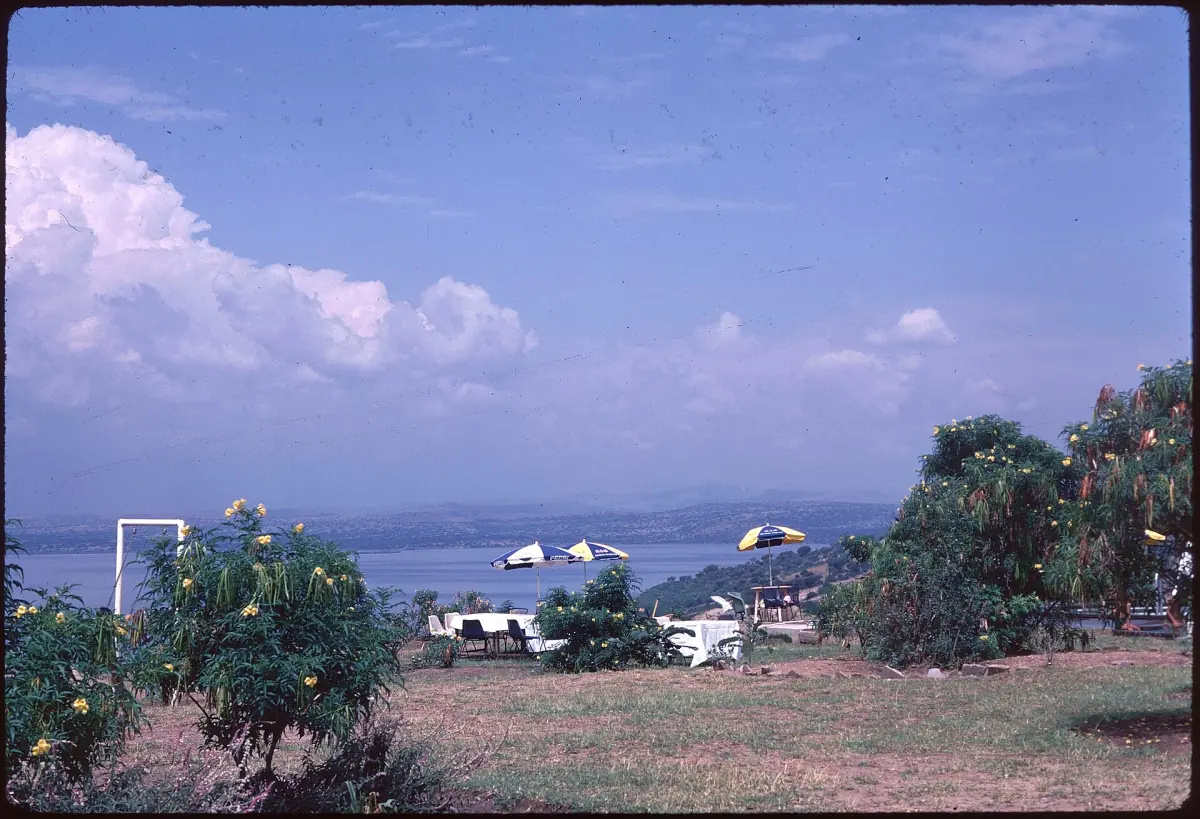
The history of Queen Elizabeth National Park
Queen Elizabeth National Park in western Uganda covers 1,978 km² and sits on the equator. It was founded as Kazinga National Park in 1952, and its present name dates from 1954, when it was renamed on the occasion of the visit of Queen Elizabeth II.
The story does not start in 1952. Game reserves at Lake George and Lake Edward date from 1925. That is not the year the national park was founded, but it shows that protection of this landscape goes back further than the park's current shape. For a look at the wildlife the protection made possible, see the wildlife guide.
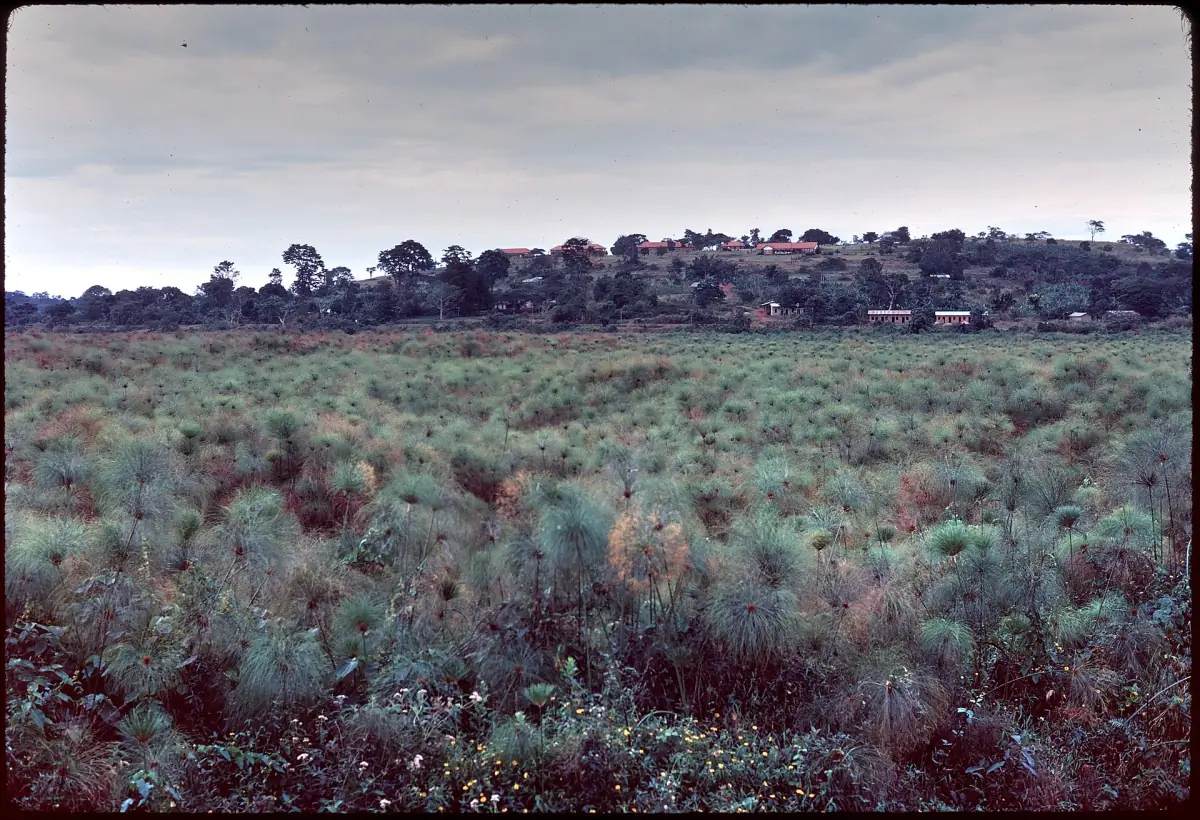
Our pick: a trip through the park
This 7-day safari visits Queen Elizabeth with the Kazinga Channel and Ishasha.
Hand-picked tours, booked through GetYourGuide. Prices are indicative starting prices in US dollars (as of October 2026). Tap a tour for live availability and the current price in your currency.
Queen Elizabeth National Park tours
Safaris, boat trips and day trips in the park, with live prices and availability.
Queen Elizabeth National Park history: a timeline
The dates that are well known.
1925: game reserves
Game reserves were set up at Lake George and Lake Edward from 1925. These were the forerunners of the protected area, not the national park itself.
1952: Kazinga National Park
The park was founded as Kazinga National Park. Kazinga is also the name of the channel that links Lake Edward and Lake George, and it still carries that name today.
1954: Queen Elizabeth National Park
The park was renamed in honour of the visit of Queen Elizabeth II. The name stayed, and it is the one used for the park today.
An earlier name: Rwenzori
The park was also once known as Rwenzori. Do not confuse that with today's Rwenzori Mountains National Park, which is a separate protected area. See the Rwenzori guide.
International recognition
The park carries several recognitions, and they apply to different areas.
UNESCO has listed the park as a biosphere reserve since 1979. The registered area of 479,045 ha is the larger biosphere area, not the national park, which is 1,978 km². Lake George is a Ramsar site, designated on 4 March 1988 with 15,000 ha, and it has been on the Montreux Record since 4 July 1990. The Rwenzori Mountains have been a UNESCO World Heritage Site since 1994, but that status belongs to the mountains, not to this park.
These recognitions also explain why the park is more than its roads. The wetlands, the lakes, the forest and the plains make up one landscape, with people living at its edges.
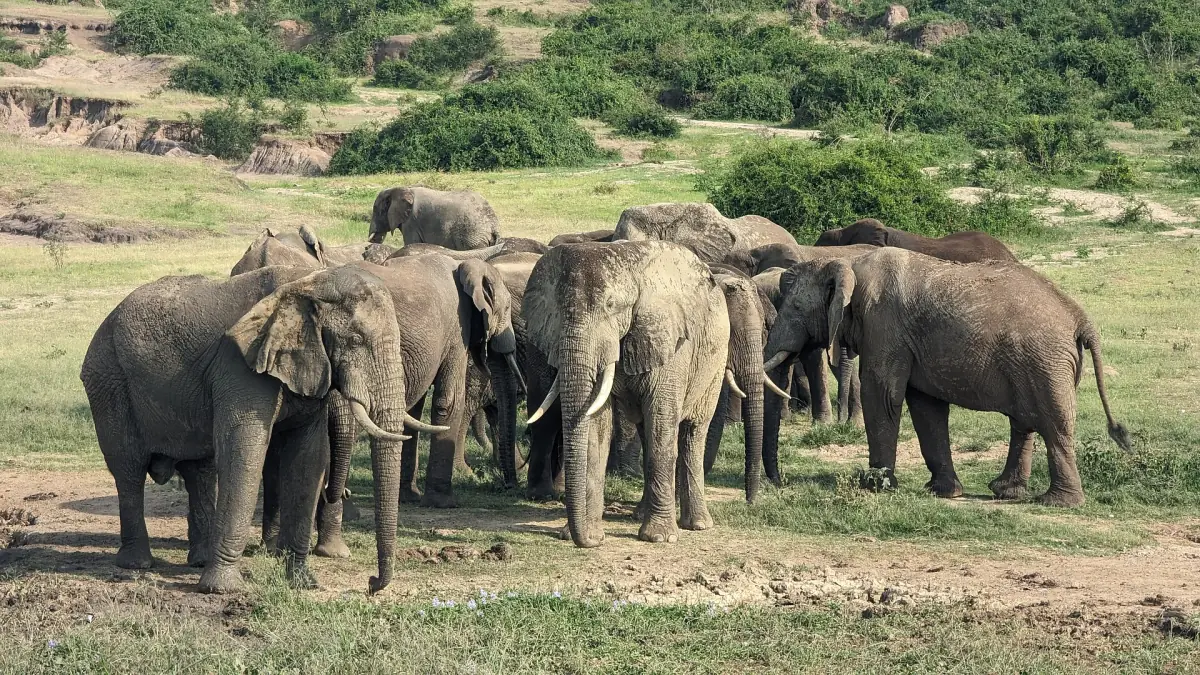
The park today
What is protected, and what still threatens it.
Wildlife
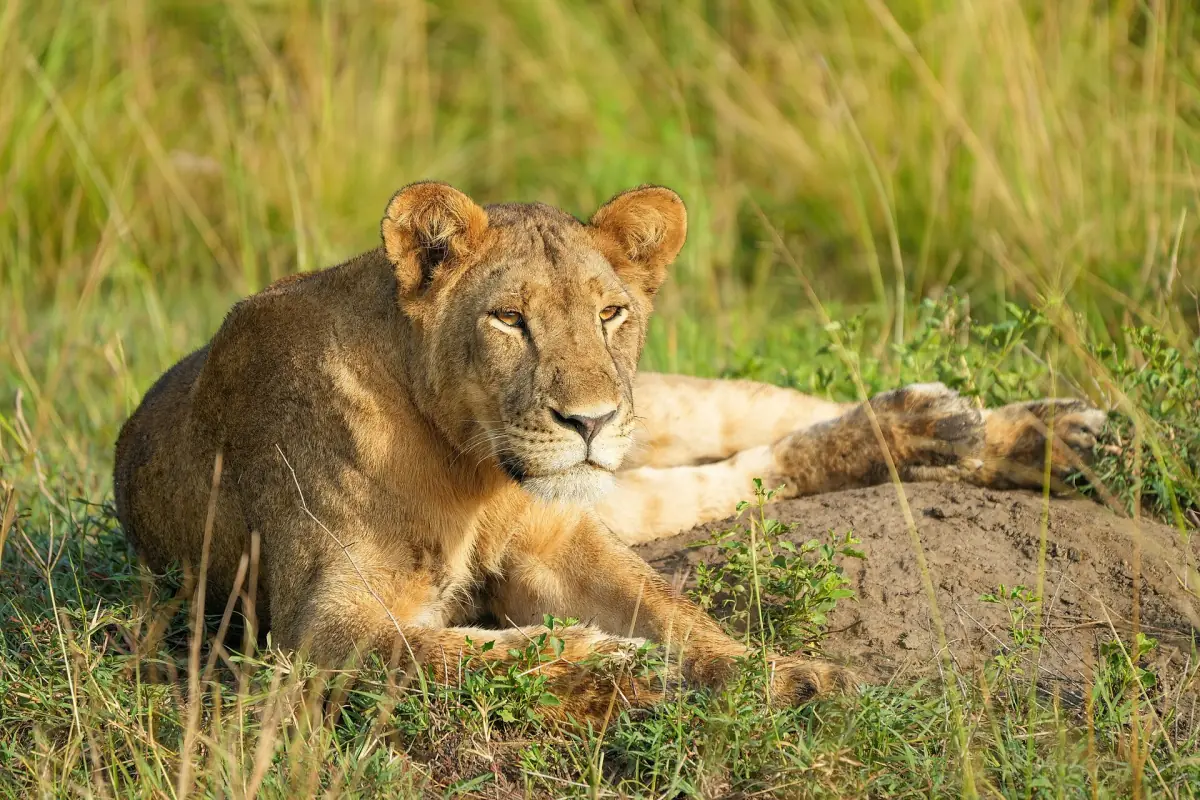
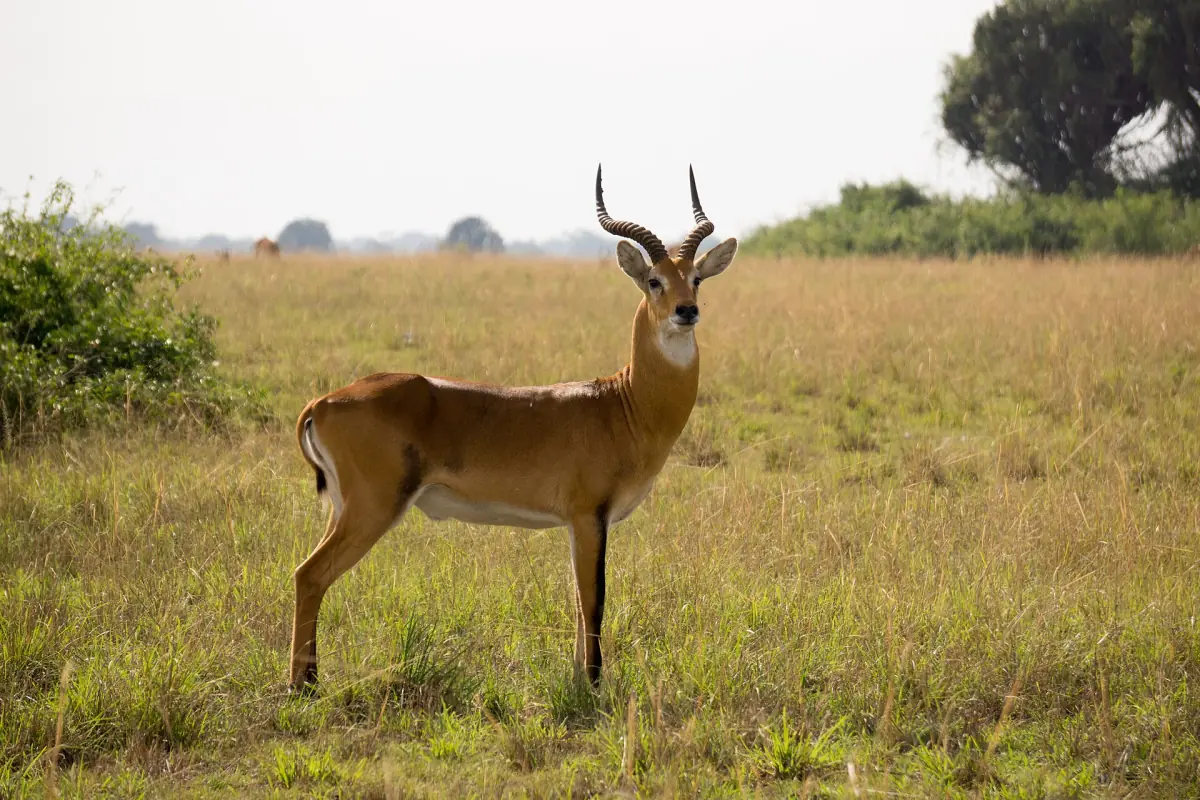
The park has more than 95 mammal species and more than 600 bird species. Lion, leopard, elephant and buffalo are among the big animals. These are inventories, not counts for one day.
Lions under pressure
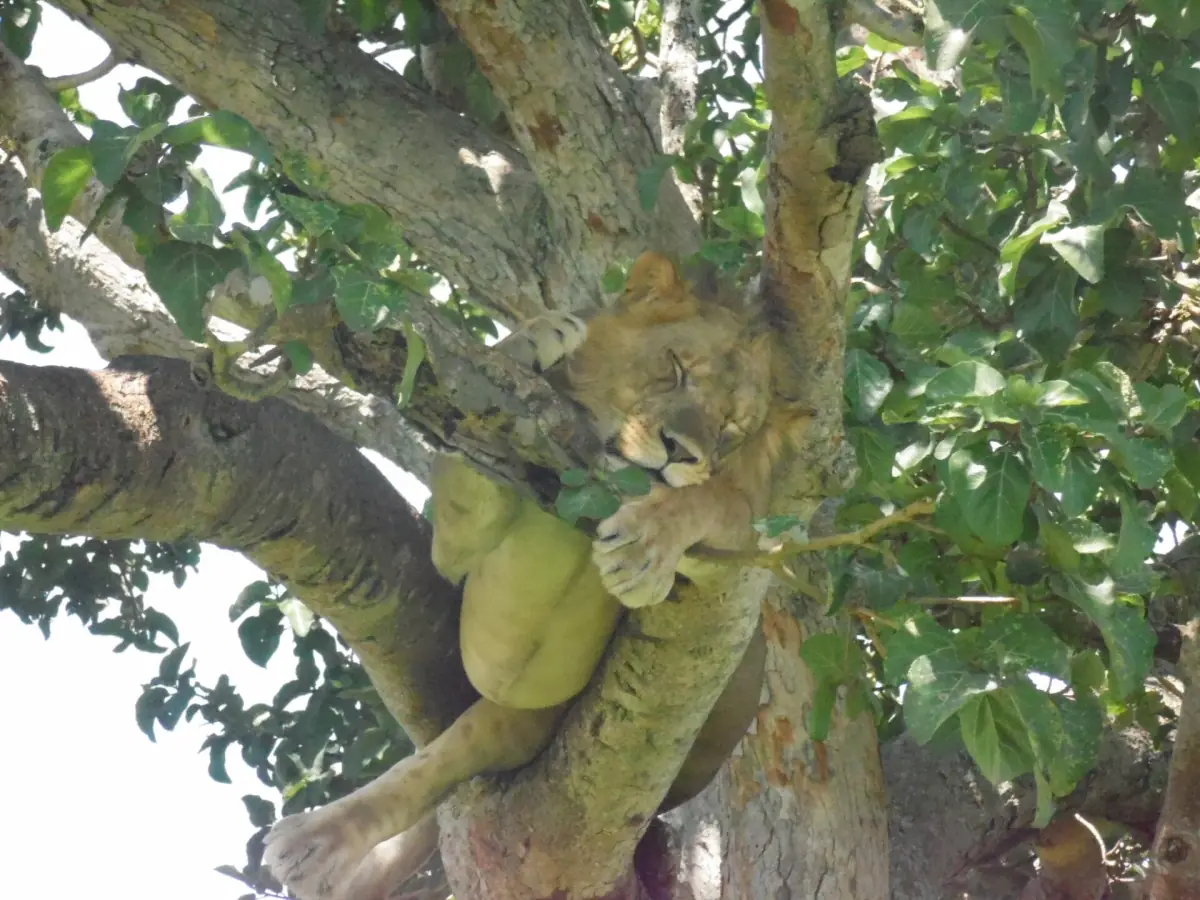
In 2018 fewer than 100 lions were counted in the whole park, and 11 lions were killed near Hamukungu. In March 2021 six lions were poisoned in Ishasha. These are separate events. See the Ishasha guide for the tree climbing lions.
Chimpanzees of Kyambura
Monitoring in the Kyambura Gorge started in February 2026. By July 2026, 25 chimpanzees were individually identified, and the work continues. See the Kyambura guide.
People around the park
Fishing and salt extraction are important livelihoods in the settlements of the biosphere reserve. Communities at Kasenyi, Katunguru, Hamukungu, Katwe and Kazinga live next to the park, and conflict between people and predators is a real concern.
Other parks in Uganda have their own histories; for another park that grew from earlier protected land, see Murchison Falls.
The park by area
How the landscape is divided for visitors today.
Mweya
The peninsula on the channel and Lake Edward, with a marina and a visitor information centre. It is the base for boat cruises on the Kazinga Channel.
Kasenyi
Open plains used for game drives, together with Ishasha.
Ishasha
The southern sector, known for lions that rest on fig trees.
Kyambura and Maramagambo
Kyambura is the chimpanzee gorge, and Maramagambo is the forest at the foot of the Kichwamba escarpment. See the Maramagambo guide.
Continue with the park
From the past to the present.
Queen Elizabeth National Park history: frequently asked questions
When was Queen Elizabeth National Park founded?
It was founded as Kazinga National Park in 1952. It was renamed Queen Elizabeth National Park in 1954.
Why is it called Queen Elizabeth National Park?
The park was renamed in 1954 on the occasion of the visit of Queen Elizabeth II.
What was the park called before?
Kazinga National Park from 1952. The park was also once known as Rwenzori, which is not the same as the Rwenzori Mountains National Park.
How big is the park?
The national park covers 1,978 km². The UNESCO biosphere reserve is larger, at 479,045 ha.
Is the park a World Heritage Site?
The UNESCO World Heritage listing of 1994 belongs to the Rwenzori Mountains National Park. Queen Elizabeth National Park is a UNESCO biosphere reserve, listed in 1979.