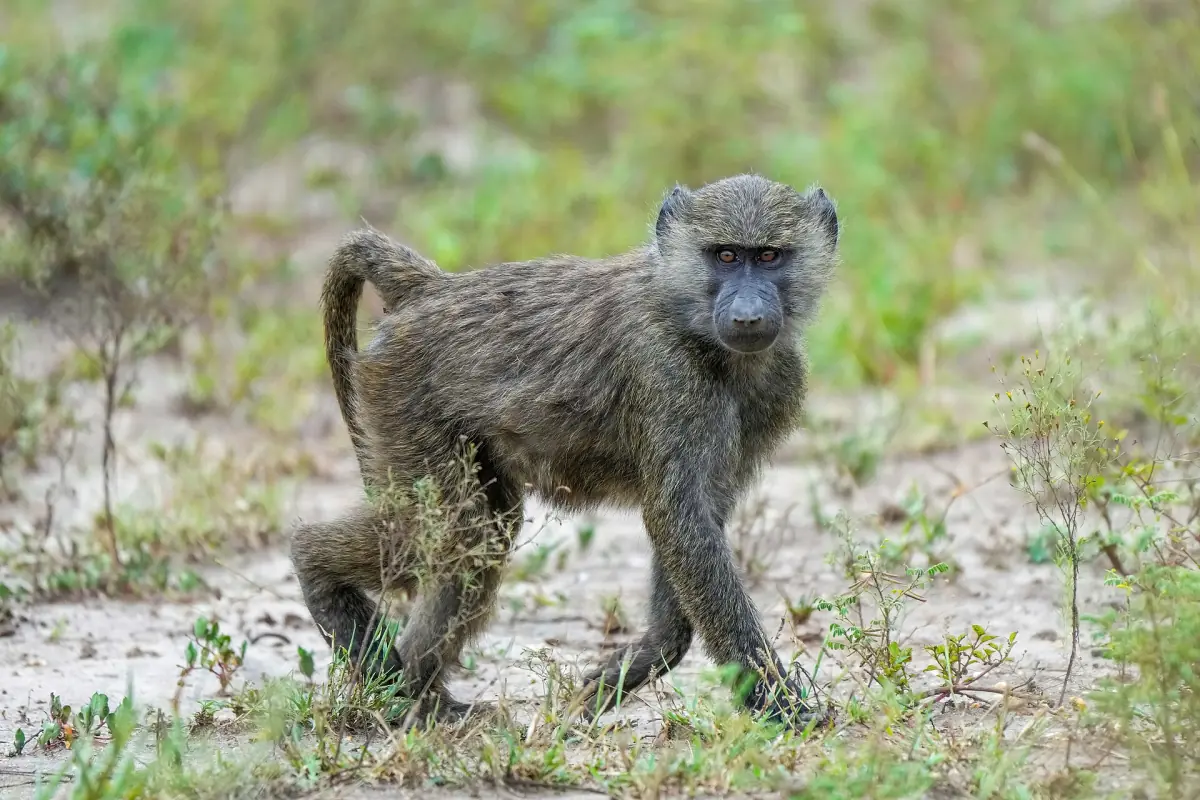
Maramagambo Forest: guided walks and wildlife
Maramagambo Forest lies at the foot of the Kichwamba escarpment in Queen Elizabeth National Park. It is known for guided walks, primates, forest birds and a bat cave. After the open plains and the water of the channel, the forest is the cooler, quieter part of a stay. Light is dim, paths are damp, and sightings take patience.
Plan the forest as a walk, not as a drive. You go with a UWA guide, you listen as much as you look, and you take what the day gives. If you want to see primates in more depth, chimpanzee tracking is offered in the Kyambura Gorge, covered in our Kyambura guide.
Check the current amount before you book; tours state whether permit and park fees are included.
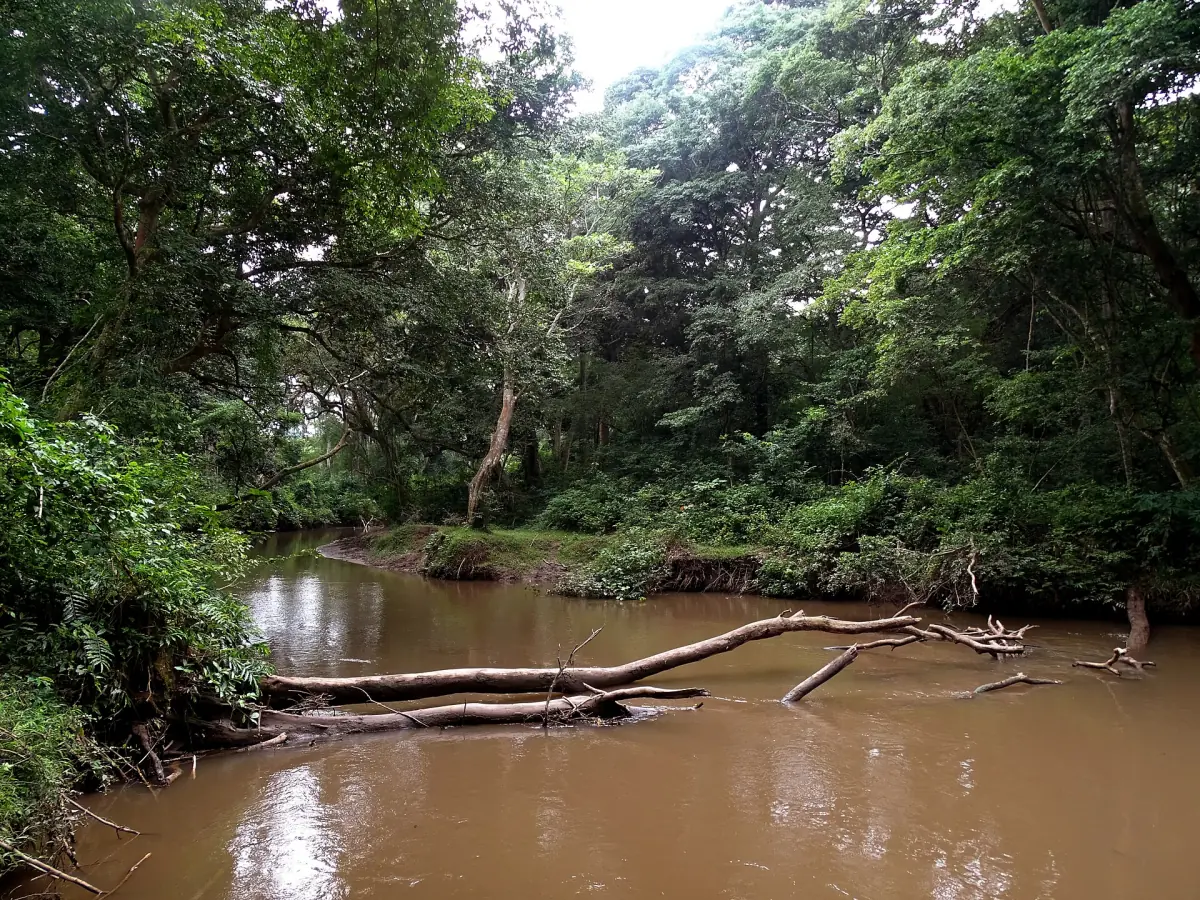
Maramagambo and Queen Elizabeth walks and tours
Safaris and day trips in the park, with live prices and availability.
What you can expect in the forest
Wildlife is a bonus, not a promise.
Guided walks
Walks in the forest are guided. A nature walk in the park costs $25 for an adult foreign non-resident, $20 for a foreign resident and UGX 20,000 for East African citizens. Ask whether that walk covers the forest, and what the guide includes.
Primates
Chimpanzees, black-and-white colobus, vervet monkeys and olive baboons live in the park. Which ones you meet in the forest depends on the day. Chimpanzee tracking is a separate permit sold for Kyambura Gorge.
Forest birds
The park has more than 600 bird species, and the forest adds those that do not live on the open plains. Bring binoculars and let the guide point out calls first. A long species list is no promise for one walk.
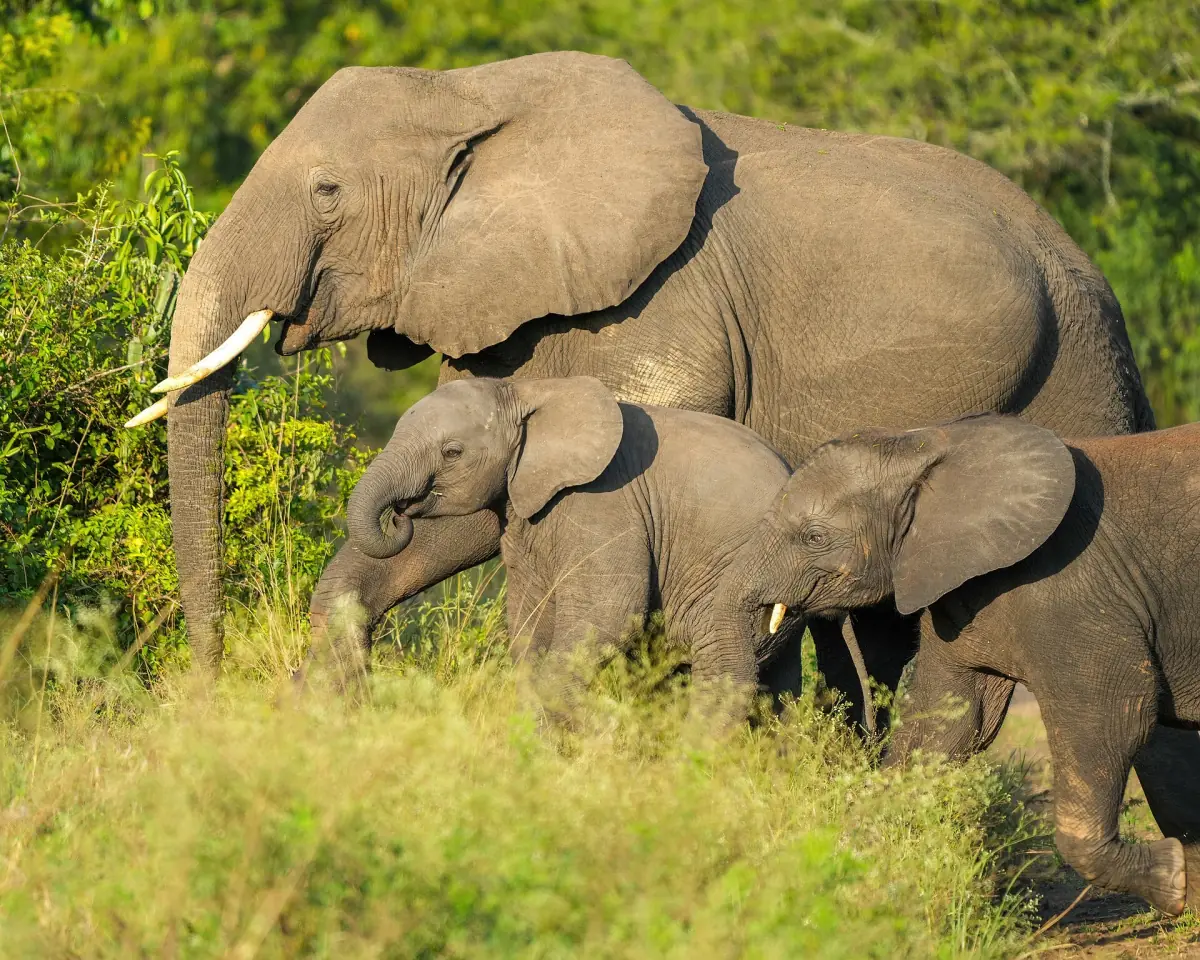
Quiet and distance
Keep your voice low, stay with the guide and do not follow animals. Stay on marked tracks, and keep dogs and other pets at home, as the park rules do not allow them.
The bat cave and a health note
A bat cave is part of the forest's visitor profile, but do not plan your trip around going inside it. Ask UWA staff whether any access is open, and treat a viewing platform as closed until staff say it is open.
There is also a health reason for caution. In 2008 a Dutch traveller who had visited a cave in Maramagambo caught Marburg virus and died. That case is history and does not describe the forest today, but caves with bats are a place to stay out of unless staff say otherwise. If you feel unwell after any trip to Uganda, tell a doctor where you have been.
Access and what to bring
Practical points for a forest day.
Arranging a walk
Ask at UWA, for example at the Mweya Visitor Information Centre, or ask your operator to arrange it in advance. Check the day's plan with the guide before you commit to a long walk.
Clothing and footwear
Wear closed shoes with grip, long trousers and a light rain layer. Paths can be wet, and the wet seasons are March to May and September to December. Expect damp ground and slippery roots in the wet months. Take insect repellent.
Water and timing
Carry your own water and plan the walk for the cooler morning hours. Forest walks run on the guide's pace, so leave time at the end.
Park entry
Entry for an adult foreign non-resident is $40 per 24 hours under the UWA tariff for July 2024 to December 2026. A day in the park can include the forest, a game drive and a cruise. See the park fees guide for the full list.
More in the park
Pair the forest with open country and water.
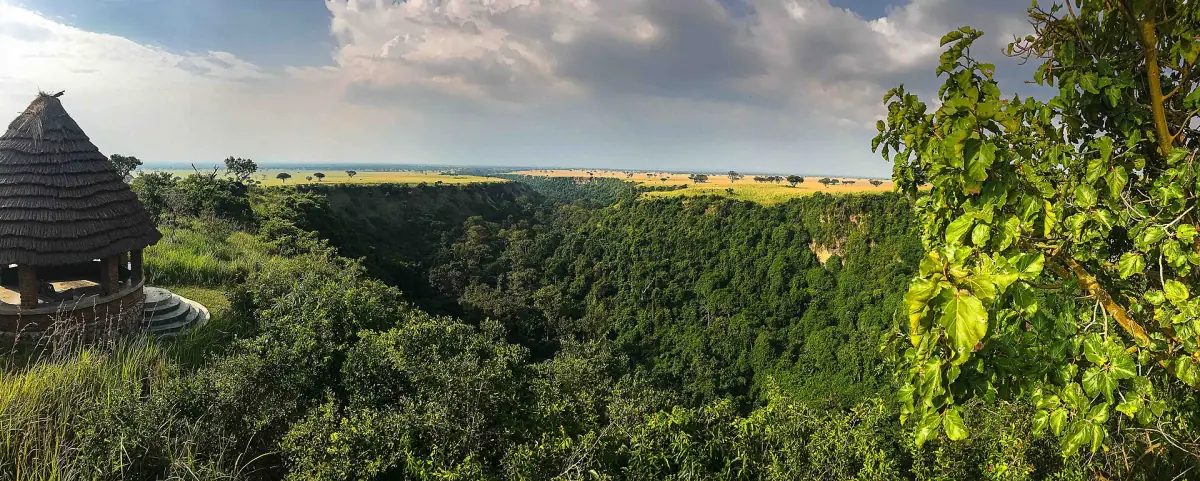
Maramagambo Forest: frequently asked questions
What is Maramagambo Forest?
A forest at the foot of the Kichwamba escarpment in Queen Elizabeth National Park, known for guided walks, primates, forest birds and a bat cave.
Can I go into the bat cave?
Do not count on it. Ask UWA staff about the current position, and stay out of caves with bats unless staff say otherwise.
Can I track chimpanzees in Maramagambo?
The UWA chimpanzee tracking permit is sold for Kyambura Gorge. See the Kyambura guide for details.
How much does a guided walk cost?
A nature walk in the park costs $25 for an adult foreign non-resident under the tariff for July 2024 to December 2026. Check the current amount before you book; tours state whether permit and park fees are included.
What should I wear?
Closed shoes with grip, long trousers, a light rain layer and insect repellent. Paths in the forest can be wet.