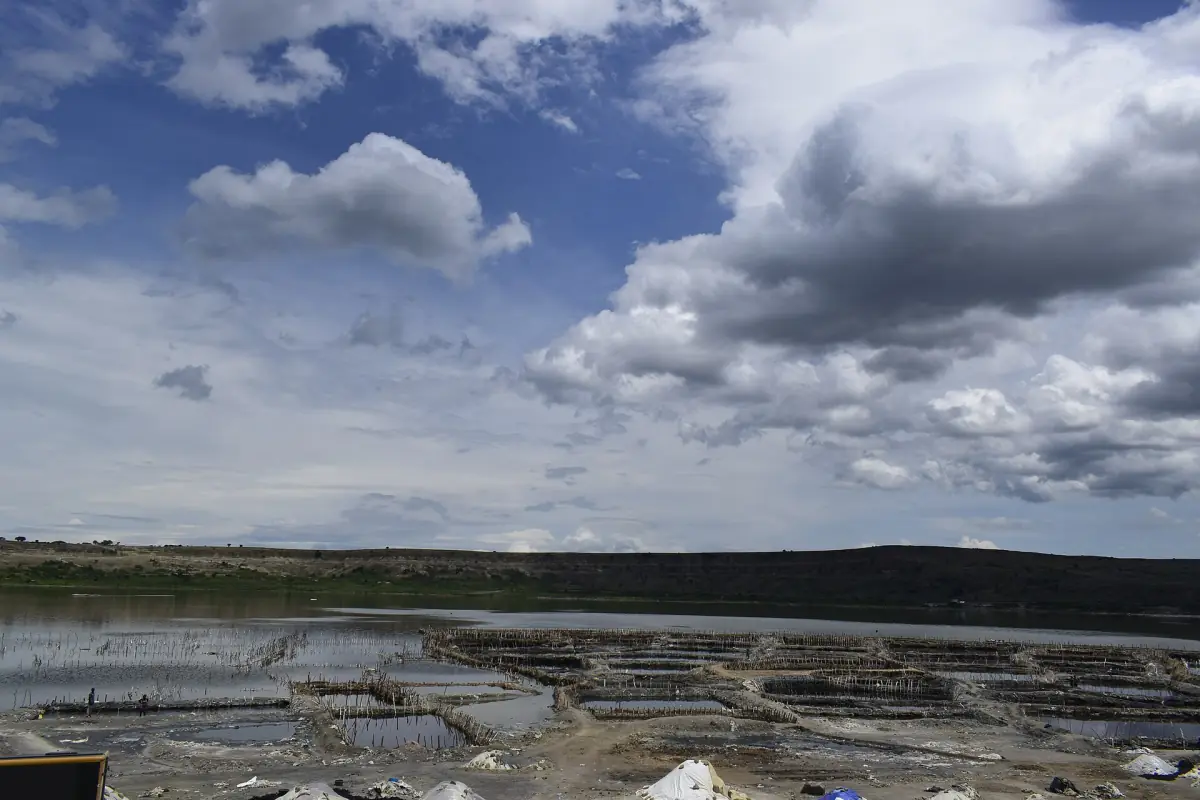
The Katwe salt lake and its craters
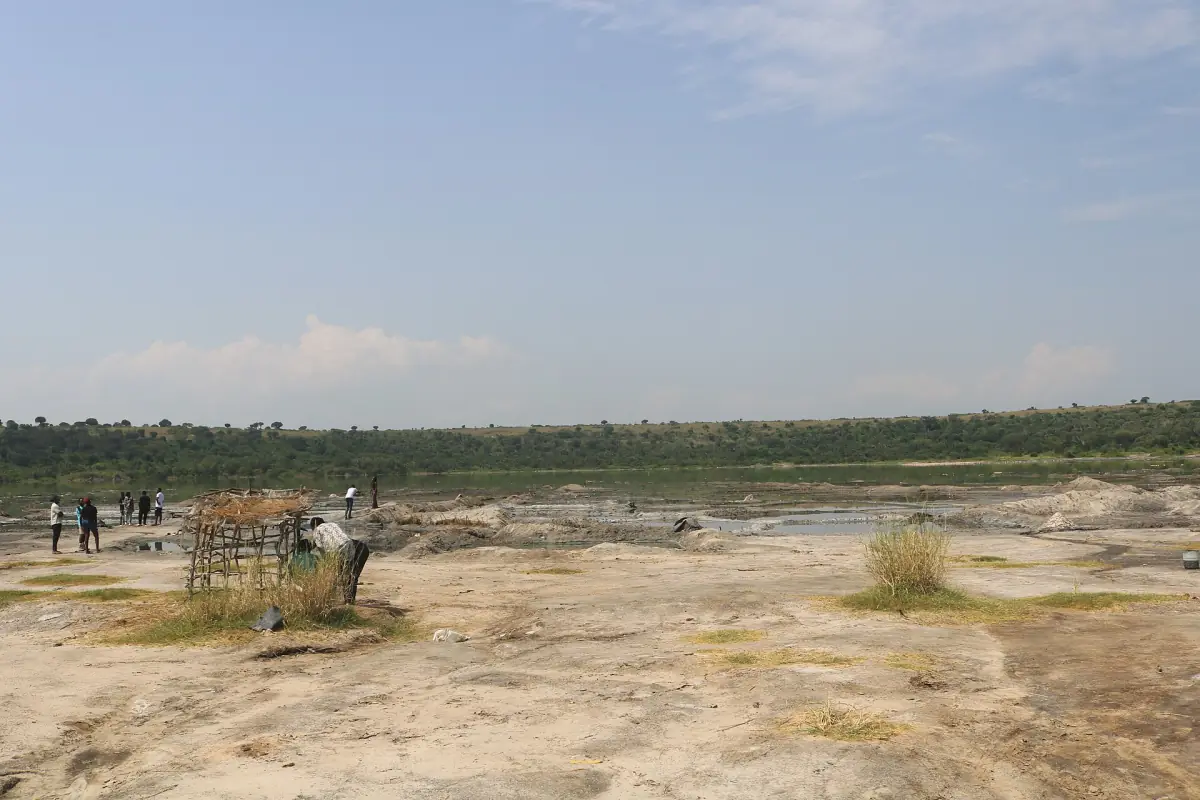
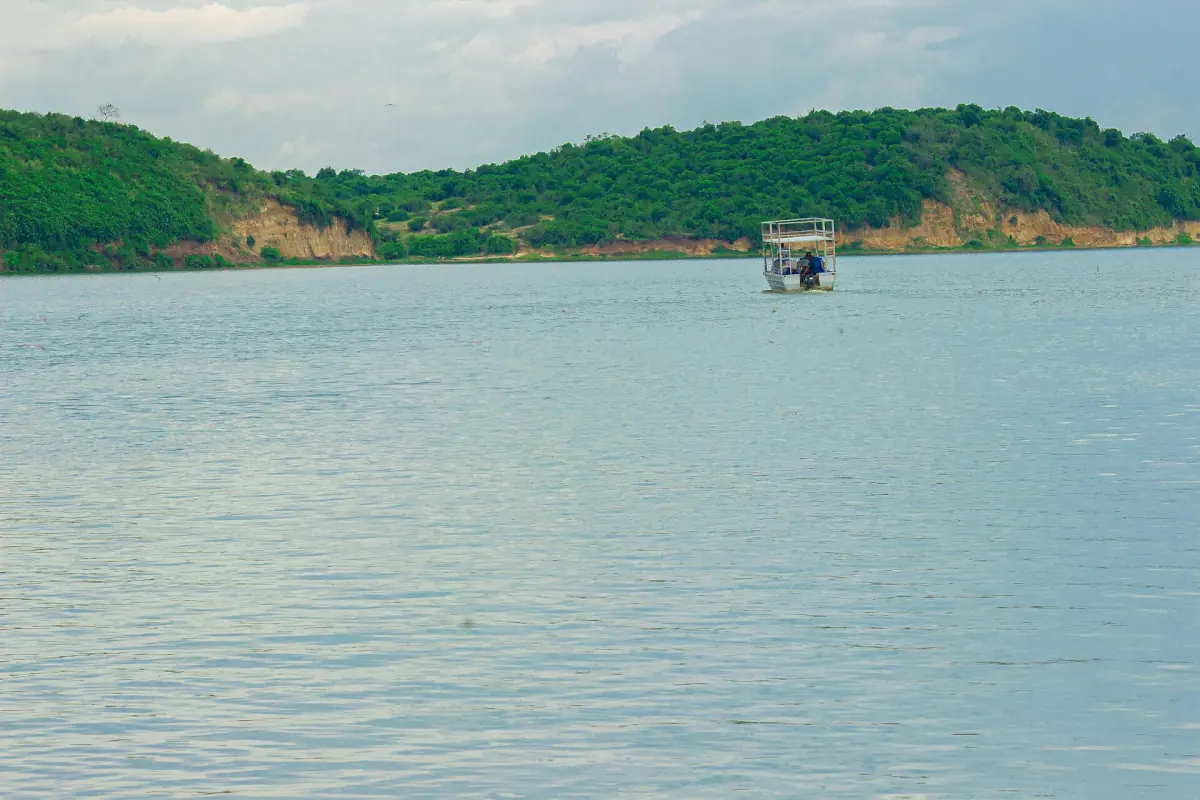
Lake Katwe lies in a landscape of craters in Queen Elizabeth National Park. Evaporation pans line the lake, and local guides show visitors the work. Salt has been taken from this lake for centuries, and it is still a livelihood for people in the settlements around it. UNESCO names fishing and salt extraction as important ways of earning a living in the biosphere reserve.
Come as a visitor to a place of work, not to a show. The pans are where people earn their income, and a respectful visit asks first, listens to the guide and leaves them to their tasks. This page covers the salt lake, the explosion craters, the crater drive and the flamingo season, and then the practical points for getting here.

Katwe, craters and Queen Elizabeth tours
Safaris and day trips in the park that can include the Katwe area, with live prices and availability.
Katwe salt lake: how to visit with respect
The salt work is real work.
Go with a local guide
Local guides work at the pans. Ask about the guide fee before you start, and agree it clearly.
Ask before you photograph
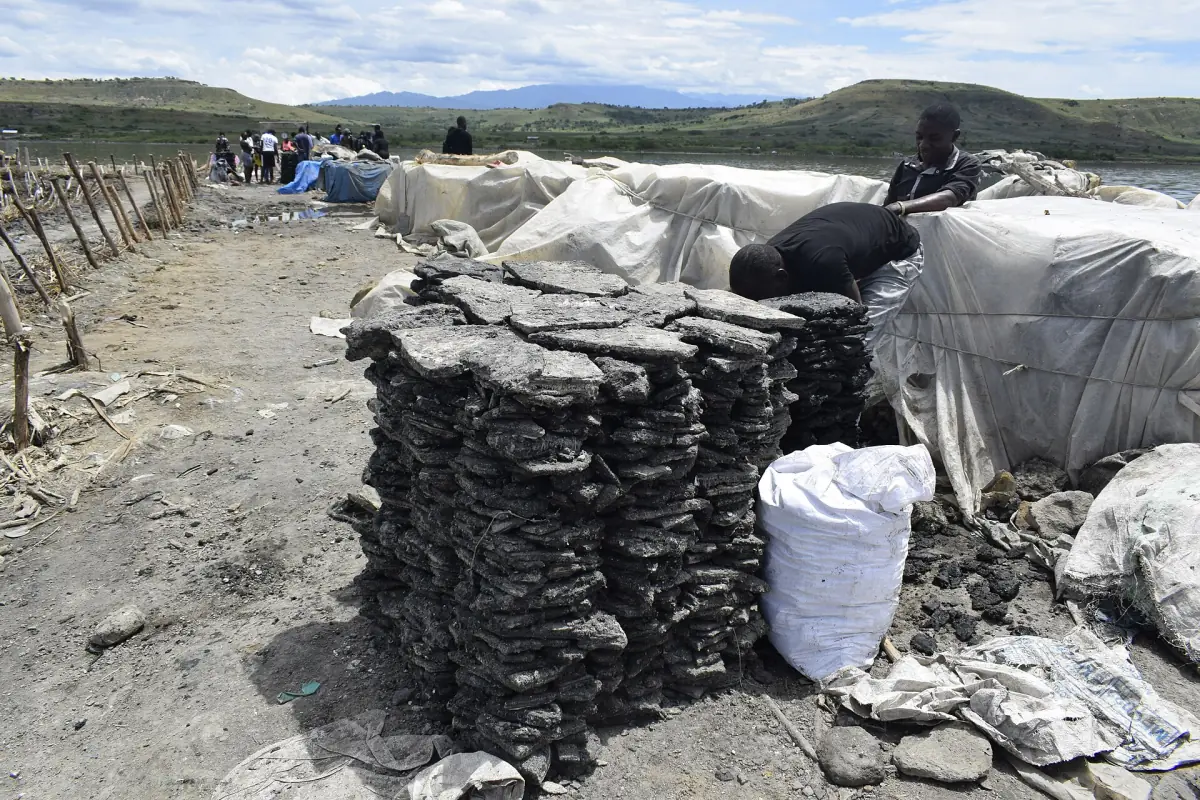
Ask people before you take their picture, and accept a no. Do not step into the pans or onto salt stacks unless your guide invites you to.
Do not join in
Watch rather than join. The work is demanding, and the pans are not a place for visitors to try it. Ask questions and buy a small amount of salt if it is offered.
Hours and days
Ask UWA or your guide about hours and rest days before you set out. Early morning light also helps the photographs of the pans.
Explosion craters and the crater drive
The craters around Katwe are known as explosion craters, and they shape the whole area. The crater drive covers about 27 km between Kabatoro and Crater Gate. Do not count on every track being open: check with UWA staff or your driver before you set out.
The drive gives you long views over green crater walls, and the heights add up. The crater rims lie around 1,350 m, while the shore of Lake Edward is at 910 m. If you also want crater scenery away from the park, the crater lakes near Fort Portal have their own guide at Kibale and Fort Portal.
Lake Munyanyange and the flamingos
Lesser flamingos can pass through Munyanyange between August and November. Treat that as a seasonal hint, not a yearly guarantee. If birds are your main reason to come, ask your guide whether flamingos were there in the last weeks.
Getting here and staying safe
Plan the road as carefully as the visit.
From the main park roads
Equator markings stand on the road toward Kasese, near the Queen's Pavilion and the Crater Gate area. Ask about parking and access at the stop. See the getting there guide for roads and flights.
Safety on the road
In October 2023 an attack on the road between Katwe and Kabatooro killed two tourists and their Ugandan driver. Be off the roads well before dark, avoid driving outside larger towns at night, and read your government's travel advice before you go.
Current advice
The German Foreign Office advises special care in Queen Elizabeth and the Rwenzori. Ask park staff for current information on the route you want, and follow the advice of your own government.
Park entry
Entry for an adult foreign non-resident is $40 per 24 hours under the UWA tariff for July 2024 to December 2026. Check the current amount before you book; tours state whether permit and park fees are included.
More in the park
Combine Katwe with the lakes and the lions.
Lake Katwe: frequently asked questions
What is Lake Katwe known for?
Salt. Evaporation pans line the lake, and local people have taken salt from it for centuries. It sits among explosion craters in Queen Elizabeth National Park.
Can I join the salt work?
Watch rather than join. The work is demanding, so see it with a local guide and ask before you take photographs.
How much does a Katwe visit cost?
Ask about the community guide fee before you start. Park entry is $40 per 24 hours for an adult foreign non-resident under the UWA tariff for July 2024 to December 2026.
When do the flamingos come?
Lesser flamingos can pass through Munyanyange between August and November. It is a seasonal hint, not a guarantee.
Are the explosion craters easy to visit?
The crater drive covers about 27 km between Kabatoro and Crater Gate. Check with UWA staff or your driver that the tracks are open before you go.